
The true history of the dessert of Treviso
Its name comes from "Tiremesu" in the dialect of Treviso: pick me up, revive me. A simple, powerful phrase that already holds the whole essence of this dessert.
The best known Italian dessert in the world
Tiramisù is today one of the most celebrated expressions of Italian gastronomy worldwide: among desserts it is the Italian word best known abroad, and one of the most recognisable of all. Behind that fame, however, lies a long and fascinating history made of farming tradition, Risorgimento ferment, popular storytelling and documents that certify its origin in Treviso.
We have reconstructed that history step by step, from the first country preparations through to the official recognitions of our own day.
Six ingredients, no compromise
The traditional recipe for the Tiramisù of Treviso rests on six ingredients alone. No cream, no liqueur: purity is its signature.
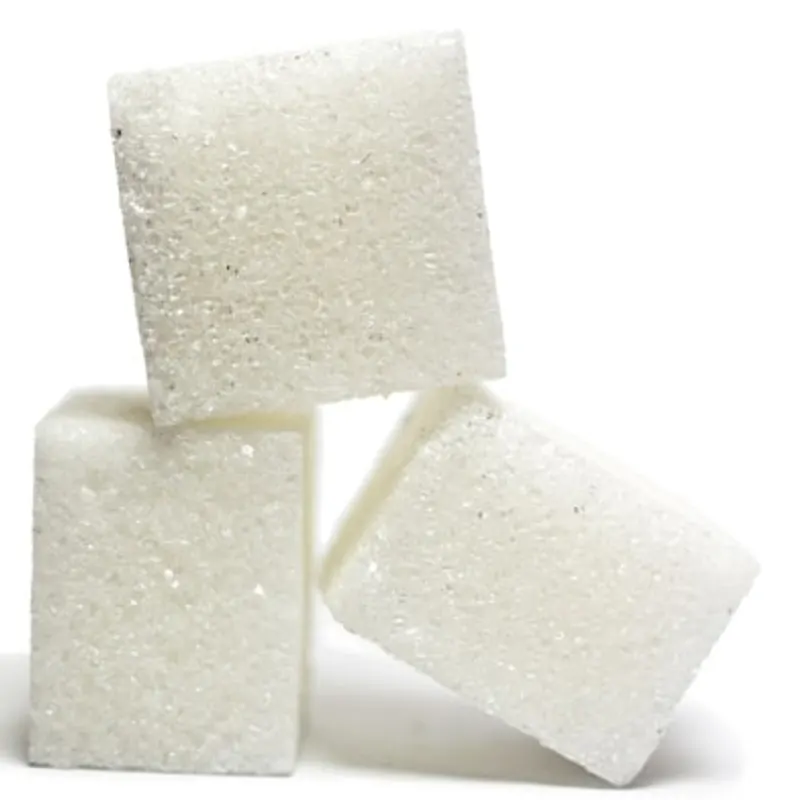
Caster sugar
The sweetness that binds the cream
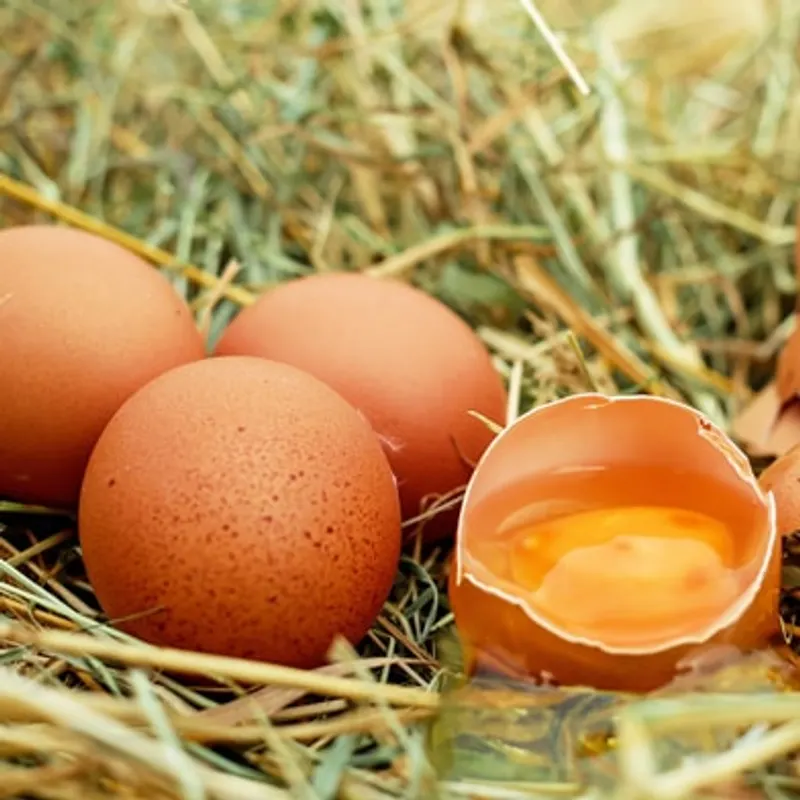
Egg yolks
The heart of the farmhouse Sbatudin
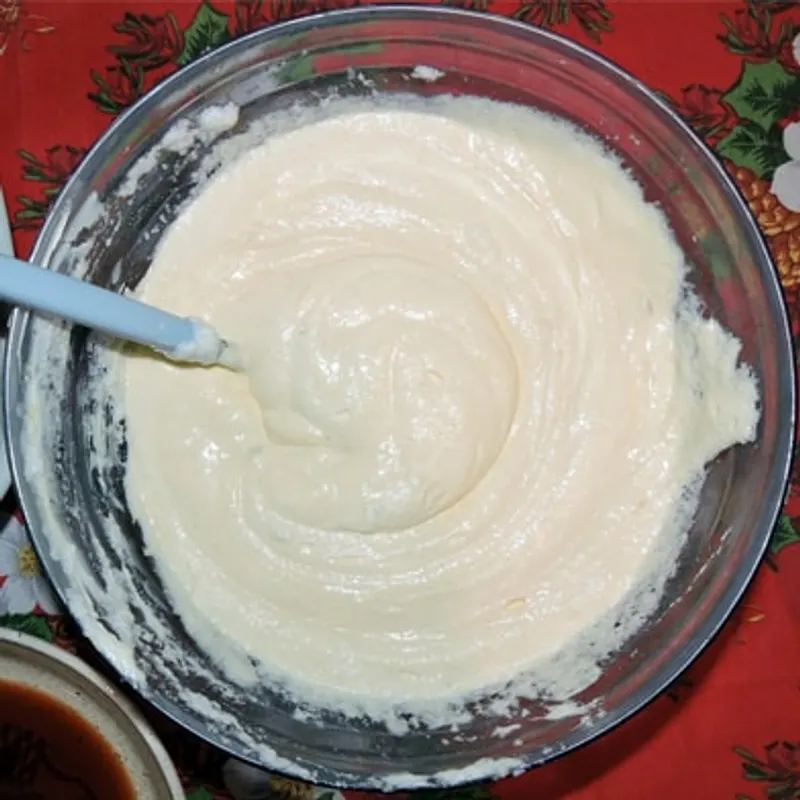
Mascarpone
The creamy cheese from Lombardy
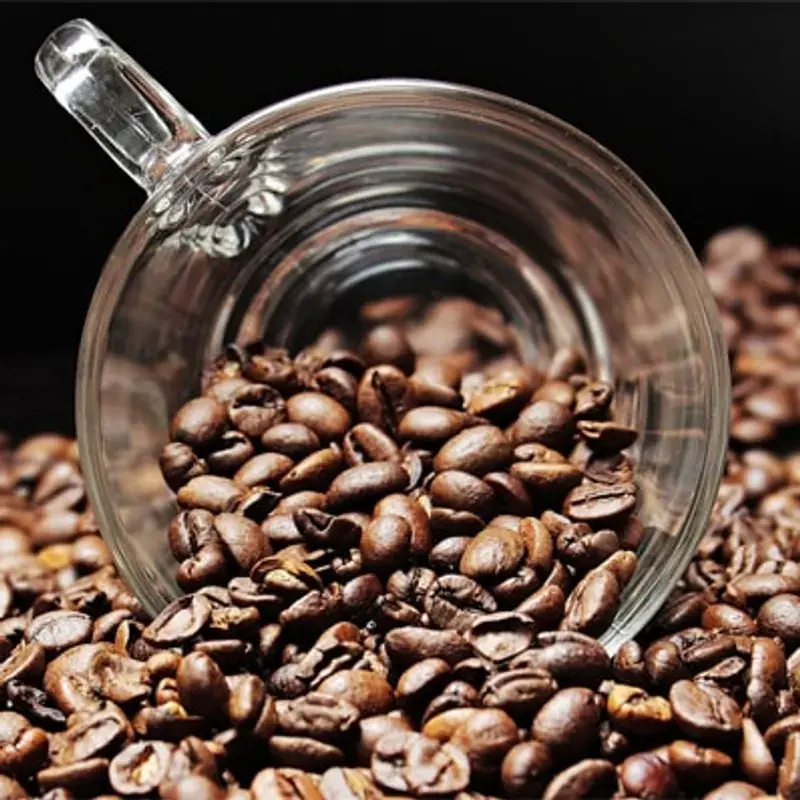
Moka coffee
For soaking the savoiardi
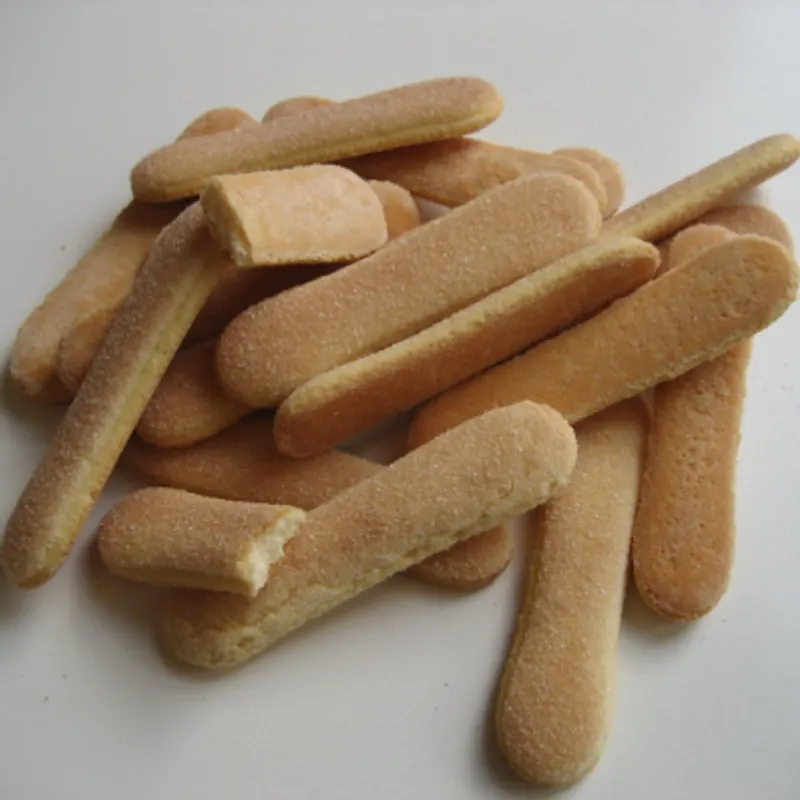
Savoiardi (ladyfingers)
The biscuits of the royal house of Savoy
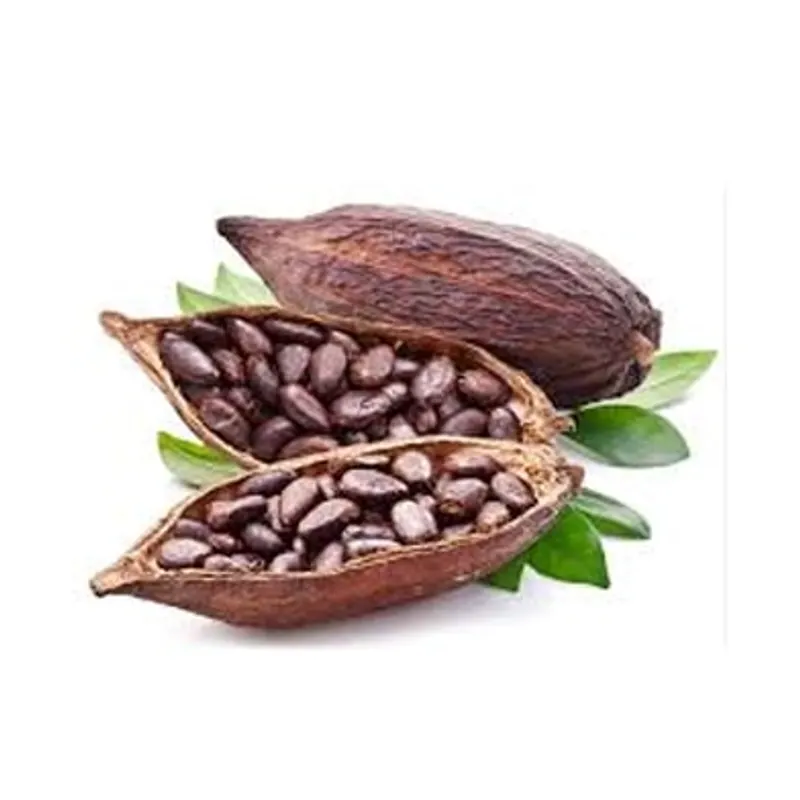
Unsweetened cocoa
The final dusting, on the surface
Ingredients and quantities
- 300 g mascarpone
- 3 egg yolks (no white) or 60 g pasteurised yolk
- 90 g caster sugar
- Savoiardi (ladyfinger) biscuits
- Moka coffee
- Unsweetened cocoa powder
Method
- In a bowl, beat the egg yolks with the sugar until the mixture is pale and foamy.
- Gradually add the mascarpone, stirring slowly until the cream is soft and even.
- Soak the savoiardi in the cold coffee and lay them out in one layer, sugared side up.
- Cover the layer of biscuits with the cream and repeat, finishing with a layer of cream.
- Refrigerate for at least 10 hours, or overnight.
- Finally, dust with unsweetened cocoa powder and serve cold.
Children's recipe
- 300 g mascarpone
- 3 egg yolks (no white)
- 90 g caster sugar
- Savoiardi (ladyfinger) biscuits
- Barley coffee (lightly sweetened)
- Unsweetened cocoa powder
- In a bowl, beat the egg yolks with the sugar until the mixture is pale and foamy.
- Gradually add the mascarpone, stirring slowly until the cream is soft and even.
- Soak the savoiardi in the cold barley coffee and lay them out in one layer, sugared side up.
- Cover the layer of biscuits with the cream and repeat, finishing with a layer of cream.
- Refrigerate for at least 10 hours, or overnight.
- Finally, dust with unsweetened cocoa powder and serve cold.
"Tiramesù de Treviso"
Riceta originae in dialeto veneto
The original recipe as it is handed down in the Venetian dialect of Treviso. We leave it in the original: it is part of the document.
Ingredienti par sie - oto parsone
- 3 eti de mascarpon
- 3 balòte de òvo
- Sùcaro (on cucìaro e mexo par balòta)
- Biscoti savojardi
- Cafè de moka
- Cacao amaro in polvare
Preparasion
- Sbàtare e balòte de òvo col sùcaro.
- Zontare el mascarpon otegnendo na crema tènara.
- Insupàre i savojardi col cafè e metarli su on strato.
- Racoèrzare el strato de biscòti coa crema e rifar l'operaxion finendo con on strato de crema.
- Mètar in frigo par na note.
- Par ultimo spàndare sora cacao amaro e servìr frèdo.
Roots in the countryside of Treviso
The historical memory of the Marca Trevigiana places the birth of Tiramisù in the second half of the nineteenth century. Its origins lie in the local farming tradition, and in particular in the Sbatudin: a simple preparation of egg yolk and sugar, whipped until soft and foamy.
Common in the families of the province of Treviso, that cream is the original core from which the dessert took shape. Over time each family enriched the recipe according to what was at hand and to taste: coffee, wine, liqueurs, biscuits, cream, butter, ricotta or cocoa. A spontaneous evolution that gradually settled into the traditional recipe.
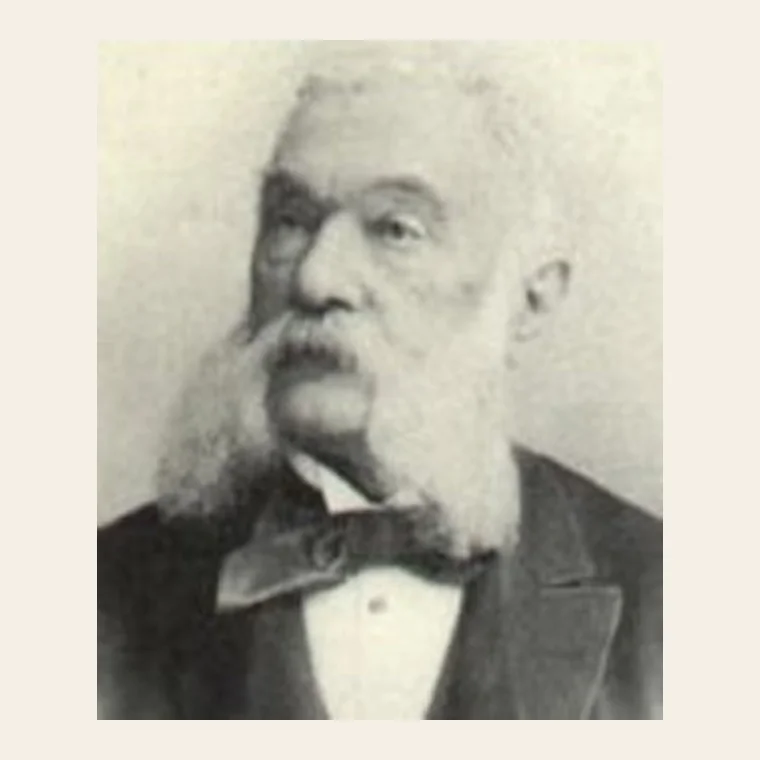
Pellegrino Artusi and the "biscottini puerperali"
An important account comes from Pellegrino Artusi (1820-1911), who in his celebrated book "La scienza in cucina e l'arte del mangiar bene" (1891) documents related preparations. In the sixth edition of 1902 he describes the so-called "biscottini puerperali" of Conegliano, a spoon dessert of egg yolk, sugar and unsweetened cocoa: the same ingredients we still find in Tiramisù today.
It is from this base that, with the progressive addition of savoiardi, coffee, mascarpone, eggs and sugar, the dessert takes its contemporary form. Artusi's book is considered the first official historical document for dating the period and the geography of a dish of Italian cuisine.
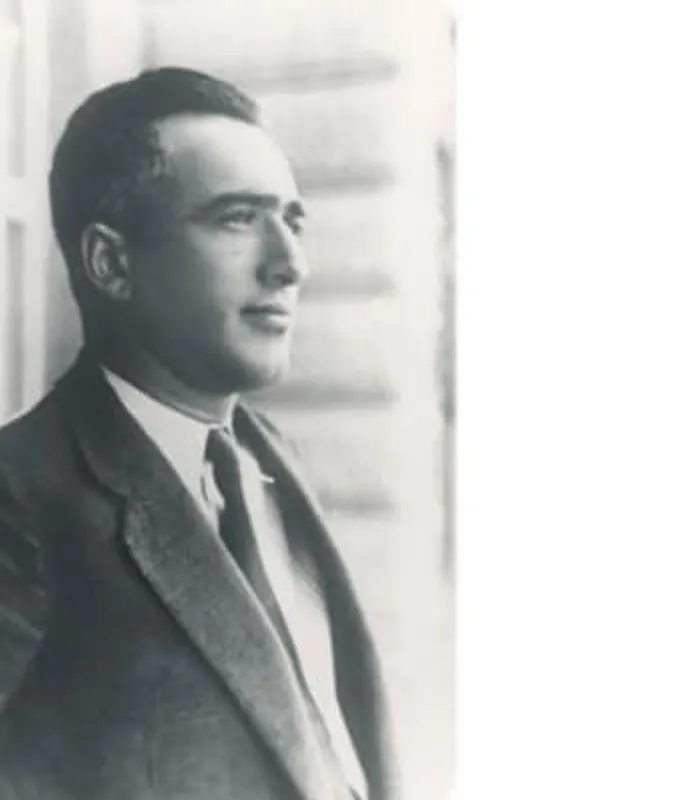
Comisso and the memory of the Risorgimento
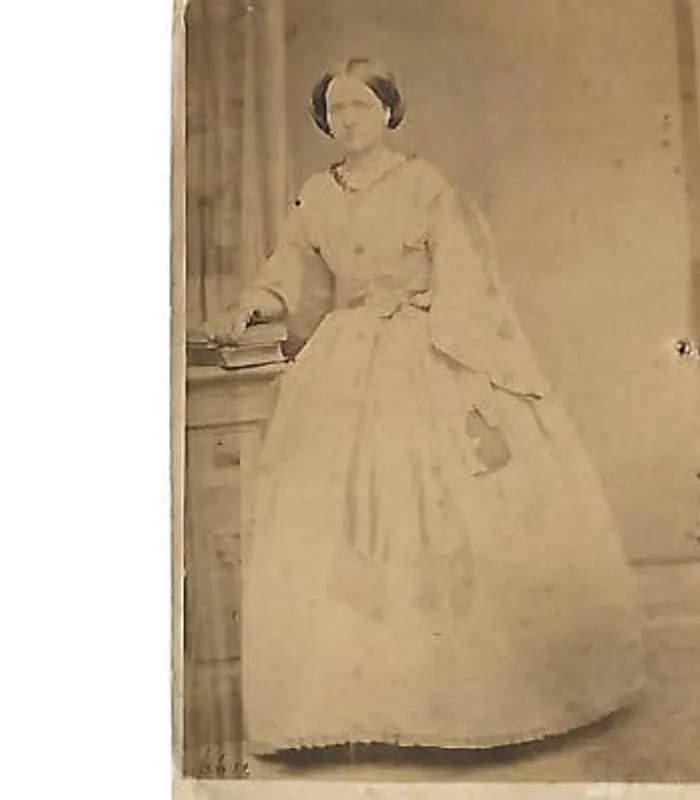
Already during the Risorgimento, Tiramisù was known and enjoyed in the wealthier families of Treviso society, often made on a sponge base, a reflection of the Viennese pastry tradition of the Austro-Hungarian empire. Giovanni Comisso, the writer from Treviso and an impartial witness, passed on to his friend Professor Manlio Brusatin the memories of his forebears: the stories of his grandmother, Giuseppina Tiretta, who made a rich and generous version of the dessert, which she called "Tirame-sospiro-sù".
Tiretta herself, a passionate supporter of the Risorgimento, helped spread savoiardi (ladyfingers), biscuits from Piedmont and the royal house of Savoy, and mascarpone, a typical product of Lombardy. The choice carried symbolic and political weight: a true insurrection of taste, rejecting Habsburg flavours and claiming at the table a place in the newborn Kingdom of Italy. The First World War too, with the front along the Montegrappa, Montello and Piave line, helped make this dessert with its patriotic soul known to many Italian soldiers.
The "dessert of sin"
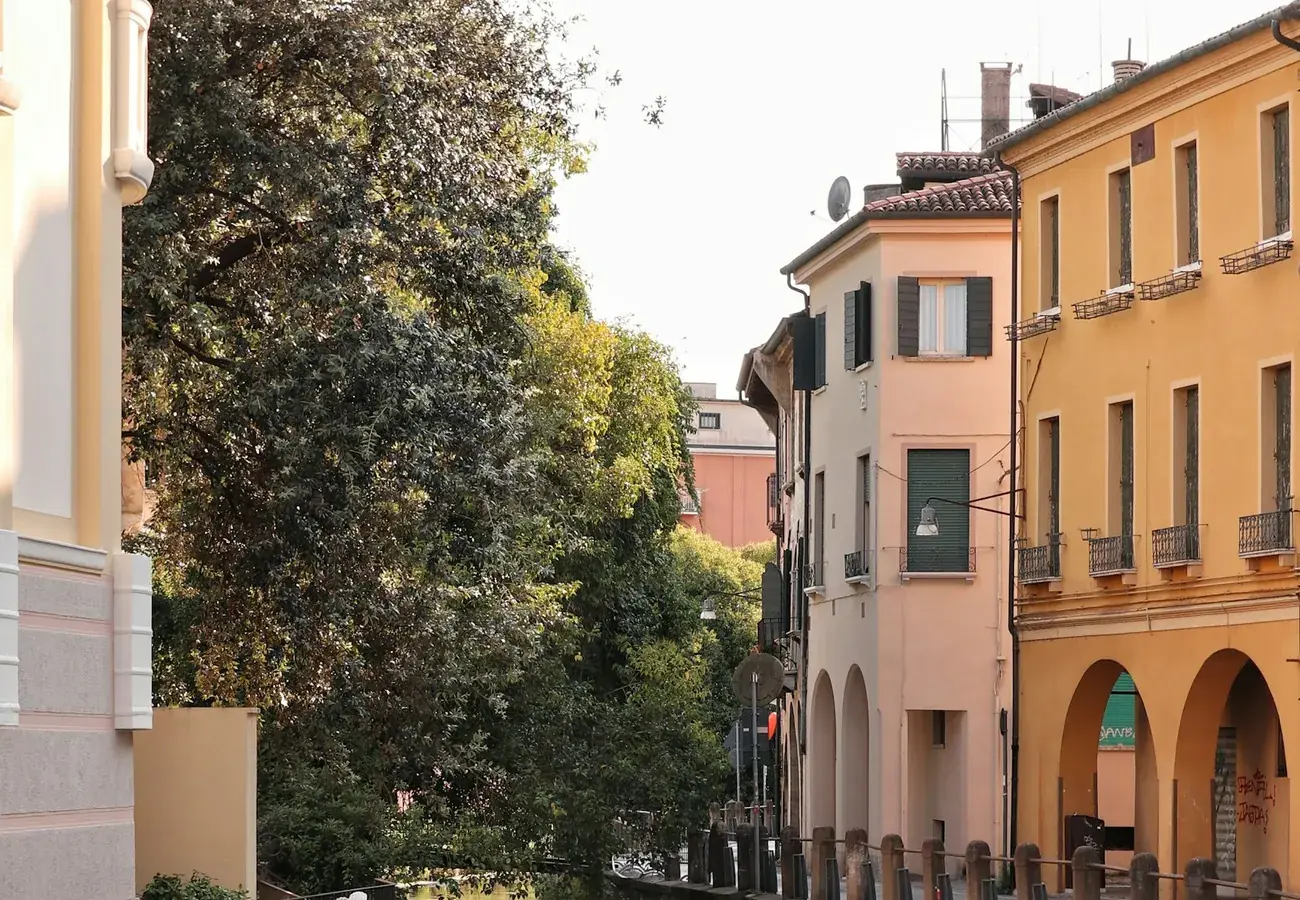
Alongside the historical sources, oral tradition hands down a more evocative and popular version. The story goes that the dessert made its evolutionary journey in the historic centre of Treviso, inside a house of pleasure, where a maîtresse is said to have devised an energising, restorative preparation to offer clients at the end of the evening, with a telling phrase: "Adesso ve tiro su mi" – now I'll pick you up. Hence its christening as the "dessert of sin", a reviving elixir of the twentieth century.
The roots run through the social fabric of post-war Treviso, as confirmed by the accounts of Alfredo Beltrame, Arturo Filippini, Boccazzi and Loris Casellato. The chronicles link the origin of the dessert to the patrons of the renowned "Tre Scalini" house, in via Marzolo, where the pastry chef Danilo Ragazzon, nicknamed "el Rosso", served an ancestral recipe enriched with egg marsala.
On the basis of the documents and of the unpublished manuscript by Loris Casellato, it can be stated with certainty that Treviso holds the historical primacy for the creation of the first patisserie Tiramisù, formally developed in 1947. For decades a veil of modesty kept these chronicles at the margins of official history: only in the nineteen-seventies, with the change in customs set off by 1968, was the silence broken.
The christening at Le Beccherie
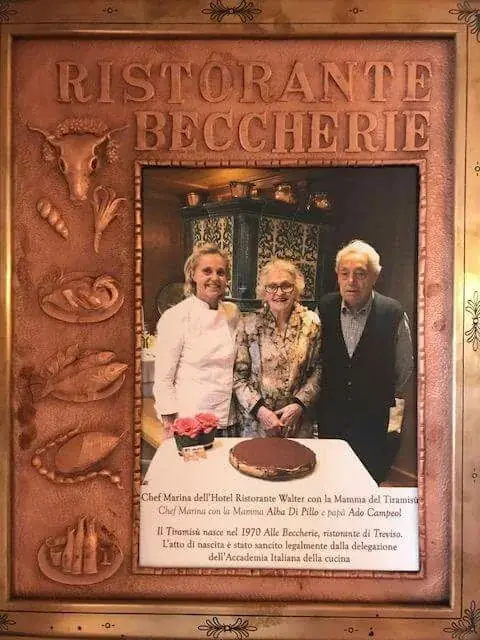
The pivot of this transition was the old inn on Piazzetta Ancilotto, in the heart of Treviso: today's Ristorante Le Beccherie. Here the dessert travelled the opposite way to the usual course of culinary art: not a haute cuisine creation later handed down to the people, but an excellence born in the intimacy of homes and traditional places, able to climb its way up to inns, restaurants and the most prestigious patisseries.
1970 marks the passage from oral tradition to historical documentation. It was then that the Campeol family chose to ennoble the word "Tiramisù" by putting it officially on their restaurant menu. The act was sealed by the delegation of the Accademia Italiana della Cucina, which formally sanctioned its birth by certifying the recipe of the first restaurant tiramisu as we know it today.
The signature of Giuseppe Maffioli
The actor and writer Giuseppe Maffioli, in the magazine "Vin Veneto" in 1981, set down the history of the dessert and made its preparation official, placing it at the Alle Beccherie restaurant in Treviso.
The documentary research then reached a fundamental stage in 1983, when the food and wine writer chose to certify, in his monumental volume "La cucina trevigiana", what he himself called the authentic and legitimate recipe of the Tiramisù of Le Beccherie. Kept with rigour on page 423, this certification finally lifted the dessert out of the mists of oral uncertainty and handed it to history: not a simple mention, but a true scholarly investiture of the original recipe of restaurant tiramisu.
The notarial deed protecting the dessert
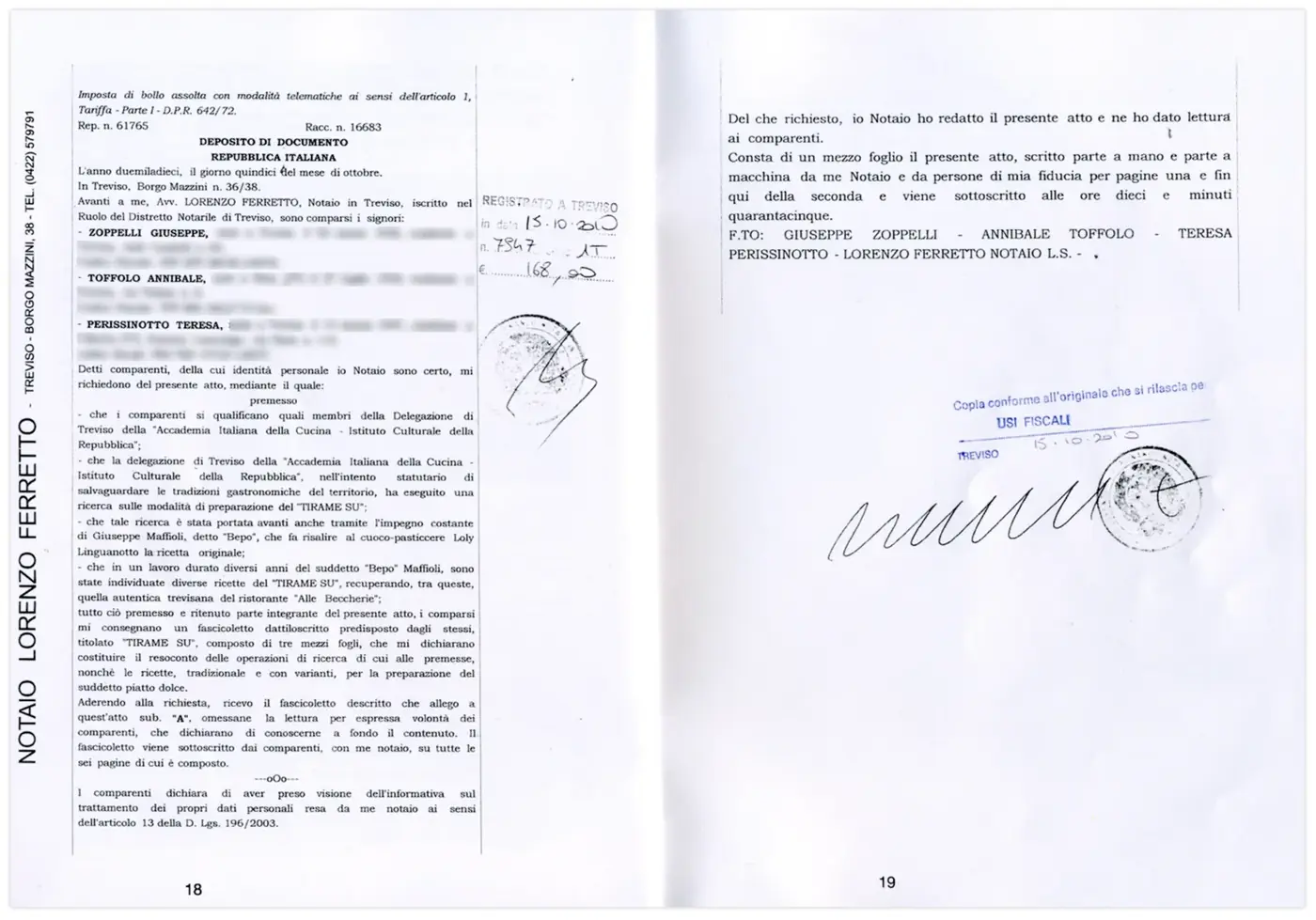
On 15 October 2010 three members of the Treviso delegation of the Accademia Italiana della Cucina, a cultural institute of the Italian Republic, filed a notarial deed (no. 7947 with the notary Lorenzo Ferretto, Treviso) containing research into how "Tirame su" is prepared, with the aim of safeguarding the gastronomic traditions of the area.
The file cites the historical and gastronomic accounts published by Giuseppe Maffioli, the Treviso authenticity of the original recipe at the Le Beccherie restaurant thanks to the pastry chef Roberto Linguanotto, and lastly the methods of preparing the traditional recipe and its variants.
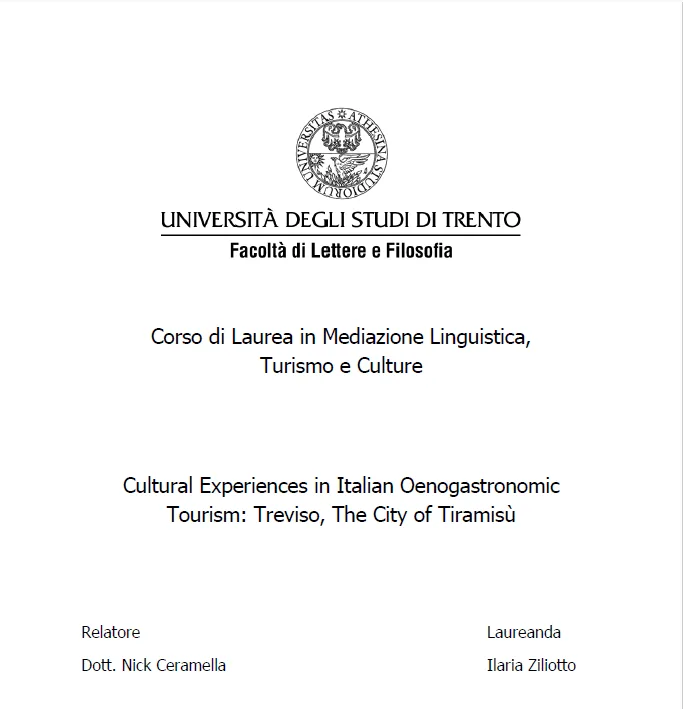
The first thesis and academic recognition
2012 marks the academic consecration of Tiramisù with the defence of the first thesis in the world devoted to the subject. Dr Ilaria Ziliotto presented the study "Cultural Experiences in Italian Oenogastronomic Tourism: Treviso, the city of Tiramisù" at the University of Trento, giving the question of origins a rigorous scientific standing. The work supports the Treviso paternity of the famous dessert with a solid apparatus of historical citations and a precise bibliography, testifying to the deep and indissoluble bond between the original recipe and the cultural tradition of the area.
To consult the full bibliography you can contact the Accademia del Tiramisù (the Tiramisù Academy) directly.
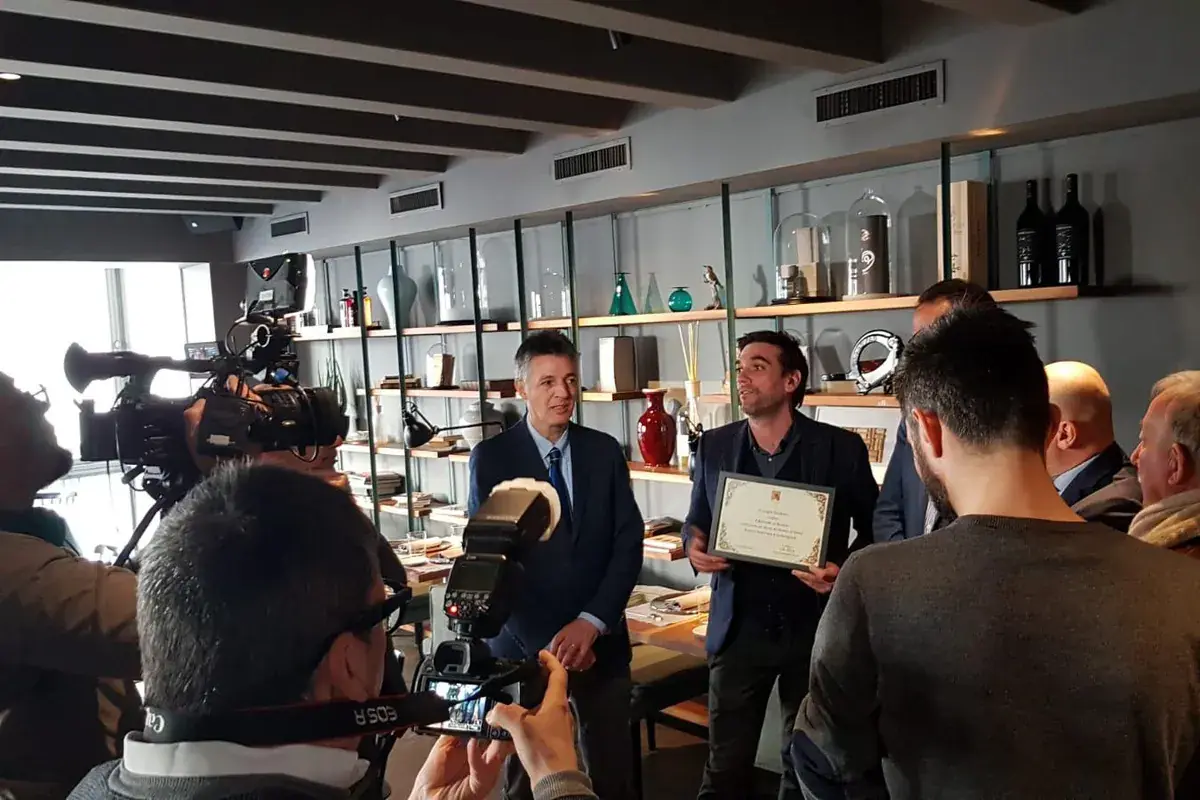
The official seal for Le Beccherie
20 March 2019 is a date of deep symbolic value for the historiography of taste: on that occasion the Accademia del Tiramisù, in the person of its President Tiziano Taffarello, conferred on Paolo Lai, owner of Ristorante Le Beccherie, the authoritative recognition of "Historic venue for the recipe of the Tiramisù of Treviso". An act that is not only a tribute to memory, but establishes the role of the historic house as the chosen guardian of the tradition, sealing the bond between the place of the myth and the genesis of this culinary excellence.
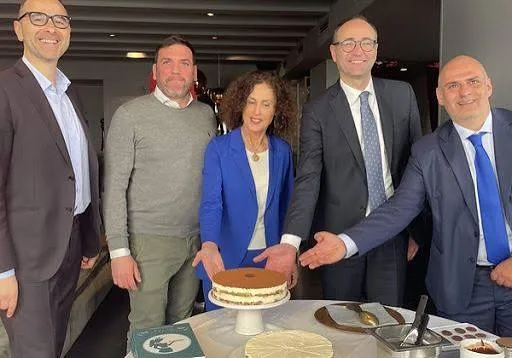
PAT recognition: identity and protection
The recognition of the Tiramisù of Treviso as a Traditional Agri-food Product (PAT), obtained in March 2024, is an important milestone for the protection and promotion of one of the desserts that symbolise Italian tradition. It not only confirms the deep bond between Tiramisù and the Treviso area and its gastronomic history, but also strengthens its cultural identity, preserving the recipe and its roots for future generations.
The video of the original recipe
Discover the original, traditional recipe for the Tiramisù of Treviso: in the video we reveal, step by step, every secret for making the perfect tiramisu, creamy and irresistible.
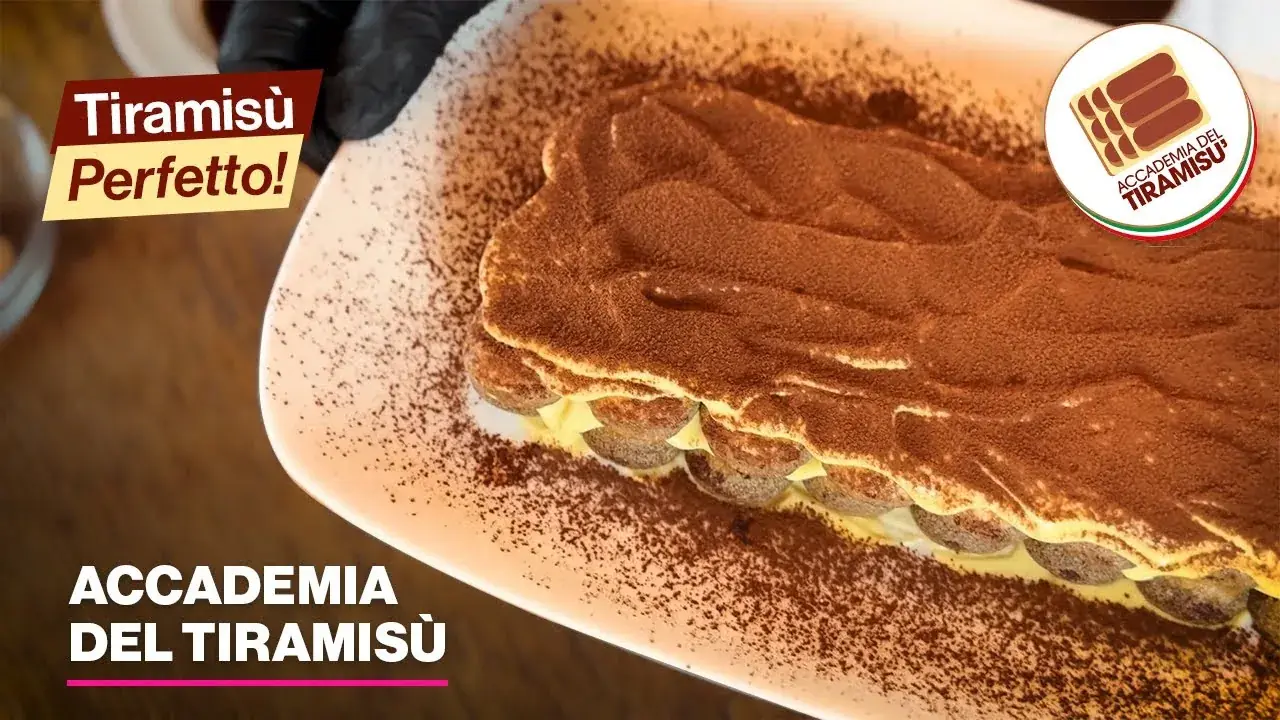
The video is hosted on YouTube: pressing the button connects your browser to Google servers.
A history more than a century long
1891
Pellegrino Artusi publishes "La scienza in cucina e l'arte del mangiar bene".
1947
The first documented patisserie Tiramisù is developed in Treviso.
1970
The Campeol family puts the name "Tiramisù" on the menu at Le Beccherie.
1981
Giuseppe Maffioli sets down the history of the dessert in the magazine "Vin Veneto".
1983
The legitimate recipe appears in "La cucina trevigiana", on page 423.
2005
The Venice International Foundation publishes "Esegesi del Tiramisù" by Manlio Brusatin.
2010
A notarial deed protecting the recipe is filed with the notary Ferretto in Treviso.
2012
The first university thesis in the world on Tiramisù, in Trento.
2019
Le Beccherie is recognised as a "Historic venue for the recipe of Tiramisù".
2024
The Tiramisù of Treviso becomes a Traditional Agri-food Product.
Subscribe to the Newsletter
Receive news, events and stories about Tiramisù straight to your inbox.
No spam. You can unsubscribe at any time.